Product Description
|
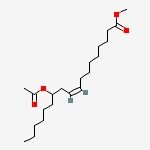
Methyl Acetyl Ricinoleate
|
|
|
Parameters
|
Specifications
|
|
CAS No.
|
140-03-4
|
|
Synonym
|
Methyl O-AcetylRicinoleate
|
|
Appearance
|
Clear Liquid
|
|
Color, Gardner
|
2 Max
|
|
Acid Value
|
2Max
|
|
Saponification Value
|
297 - 313
|
|
Iodine Value
|
71 - 99
|
|
Packaging
|
Plastic Carboy of 30 KGS Net
|
Acme Synthetic Chemicals is the Manufacturer ofMethyl Acetyl Ricinoleatewhich is classified under CAS No.140-03-4.
Methyl Acetyl Ricinoleate - Manufacturer is also Known as Methyl O-AcetylRicinoleate & Ricinoleic Acid, Methyl Ester, Acetate.
Acme Synthetic Chemicals is one of the reputed organizations engaged in providing superior qualityMethyl Acetyl Ricinoleate - Manufacturer(Methyl O-AcetylRicinoleate & Ricinoleic Acid, Methyl Ester, Acetate, CAS No.140-03-4)to our esteemed clients.
Methyl Acetyl Ricinoleate- Manufacturer (Methyl O-AcetylRicinoleate & Ricinoleic Acid, Methyl Ester, Acetate, CAS No.140-03-4) is a colorless to light yellow, clear, viscous liquid having a slight characteristic odor.
Methyl Acetyl Ricinoleate- Manufacturer (Methyl O-AcetylRicinoleate & Ricinoleic Acid, Methyl Ester, Acetate, CAS No.140-03-4) used as dispersing agent, emulsion Stabilizer, lubricant, Conditioning agent, emollient in personal care products.
Methyl Acetyl Ricinoleate- Manufacturer (Methyl O-AcetylRicinoleate & Ricinoleic Acid, Methyl Ester, Acetate, CAS No.140-03-4) used in food packaging plastic film plasticizers, rubber softener. Also available as a food additive for gum matrix.
Methyl Acetyl Ricinoleate- Manufacturer (Methyl O-AcetylRicinoleate & Ricinoleic Acid, Methyl Ester, Acetate, CAS No.140-03-4) is a derivative of Castor Oil.Methyl Acetyl Ricinoleate- Manufacturer ( is classifies under Fatty Acid Ester.
Methyl Acetyl Ricinoleate - Manufacturer(Methyl O-AcetylRicinoleate & Ricinoleic Acid, Methyl Ester, Acetate, CAS No.140-03-4) can be used as emollient in cosmetic products.
Methyl Acetyl Ricinoleate- Manufacturer (Methyl O-AcetylRicinoleate & Ricinoleic Acid, Methyl Ester, Acetate, CAS No.140-03-4) is important ingredient in cosmetics.Itenhance the working ability of cosmetics products which create beautiful result.
Methyl Acetyl Ricinoleate- Manufacturer (Methyl O-AcetylRicinoleate & Ricinoleic Acid, Methyl Ester, Acetate, CAS No.140-03-4) not only used in cosmetics but also used in Skin Care Products.
Methyl Acetyl Ricinoleate- Manufacturer (Methyl O-Acetyl Ricinoleate & Ricinoleic Acid, Methyl Ester, Acetate, CAS No.140-03-4) is a plasticizer and processing aid for rubber compounds it is a low volatility, low viscosity, product which imparts exceptional cold crack resistance to flexible nitrocellulose lacquers.
The offered productMethyl Acetyl Ricinoleate- Manufacturer(Methyl O-AcetylRicinoleate & Ricinoleic Acid, Methyl Ester, Acetate, CAS No.140-03-4) is formulated using supreme class ingredients and modern techniques by our team of skilled professionals as per the set industry norms at our state-of-the-art processing unit.
ThisMethyl Acetyl Ricinoleate- Manufacturer(Methyl O-AcetylRicinoleate & Ricinoleic Acid, Methyl Ester, Acetate, CAS No.140-03-4) is widely demanded in the international market due to its high effectively, eco-friendliness & purity, and is offered in different packaging options to meet the varied needs of our clients. Moreover, we are offering the entire range at an affordable cost to our clients.
High Purity and Safety StandardsWith a minimum purity of 98% and being non-poisonous, Methyl Acetyl Ricinoleate is a safe and effective choice for both cosmetic and industrial uses. Its neutral pH and non-hazardous ecological profile ensure it is gentle on both skin and the environment. Rigorous manufacturing processes ensure consistency and quality in every batch.
Versatile Functional BenefitsMethyl Acetyl Ricinoleate is prized for its softening and plasticizing properties, making it ideal for use as an emollient in personal care products or as a plasticizer in industrial applications. Its high compatibility with oils and resins increases formulation flexibility, whether in cosmetics, lubricants, or other specialty sectors.
Eco-Friendly & SustainableDerived from renewable vegetal sources like castor oil, this compound reflects a commitment to sustainability. Its production and use do not pose significant environmental risks, supporting manufacturers seeking greener alternatives while maintaining performance and stability.
FAQs of Methyl Acetyl Ricinoleate - Manufacturer:
Q: How should Methyl Acetyl Ricinoleate be stored to maintain stability?
A: Methyl Acetyl Ricinoleate should be stored in a cool, dry place away from direct sunlight. Using HDPE drums or approved bulk containers helps prevent contamination, maintaining its stability for up to 12 months under recommended conditions.
Q: What are the main benefits of using Methyl Acetyl Ricinoleate in cosmetics and industry?
A: Its primary benefits include serving as a softening agent and emollient, enhancing skin feel in cosmetics, and acting as a plasticizer in industrial applications. Its renewable bio-based origin also supports environmentally conscious manufacturing.
Q: Where can Methyl Acetyl Ricinoleate be applied?
A: This product is suitable for a variety of applications, including cosmetics, personal care formulations, lubricants, and as a plasticizer in various industrial processes, due to its high compatibility and functional properties.
Q: What is the process behind manufacturing Methyl Acetyl Ricinoleate?
A: Manufacturing involves the chemical modification of castor oil derivatives, following strict quality controls to ensure a clear pale yellow liquid with high purity. The process prioritizes sustainability by using renewable vegetal raw materials.
Q: Is Methyl Acetyl Ricinoleate safe for the environment and human use?
A: Yes, it is classified as non-poisonous and non-hazardous to the environment. Its use in industrial and cosmetic applications is supported by its neutral pH, bland taste, characteristic mild odor, and safety under recommended conditions.
Q: How is Methyl Acetyl Ricinoleate typically used in product formulations?
A: It is commonly incorporated as a plasticizer or emollient in mixtures, given its solubility in organic solvents and compatibility with oils and resins, enhancing both the texture and performance of finished products.








 Send Inquiry
 Send Inquiry
 Send SMS


