Product Description
Castor Oil |
Parameters | Specifications |
CAS No. | 8001-79-4 |
Color | 5/4 SCALE |
Free Fatty Acid | 0.75% MAX |
Acid Value | 1.50% MAX |
Iodine Value | 82 MIN |
Hydroxyl Value | 155 MIN |
Moisture Content | 0.15% MAX |
Methanol Test | CLEAR MIXTURE |
Packaging | Plastic carboy of 45 KGS Net. |
Acme Synthetic Chemicals is the Manufacturer, Supplier & also the Exporter of Castor Oil.
Castor Oil - Textile Chemical is also classified under CAS No.8001-79-4.
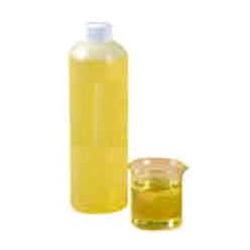
Castor Oil - Textile Chemical is a vegetable oil obtained by pressing the seeds of the Castor plant (Ricinus communis). Castor Oil - Textile Chemical is a colorless to very pale yellow liquid with mild or no odor or taste.
Castor Oil - Textile Chemical is derived from the beans of the castor plant, grown in the tropical regions.
Castor Oil - Textile Chemical has anti-inflammatory and anti-bacterial properties, for which it is being used for centuries. The benefits of the Castor Oil - Textile Chemical are also derived from its high concentration of unsaturated fatty acids.
Castor Oil - Textile Chemical & its derivatives are useful for skin, health & beauty and thus is used in various cosmetics, soaps,textiles, massage oils, medicines and also can be used in the manufacturing of lubricants, hydraulic and brake fluids, paints, dyes, coatings, inks, cold, resistant plastics, waxes, polishes, nylon, pharmaceuticals and perfumes.
In the food industry, Castor Oil - Textile Chemical (food grade) is used in food additives, flavorings, candy (e.g., Polyglycerol polyricinoleate or PGPR in chocolate), as a mold inhibitor, and in packaging. Polyoxyethylated castor oil (e.g., Kolliphor EL) is also used in the food industries.
The United States Food and Drug Administration (FDA) has categorized Castor Oil - Textile Chemical as "generally recognized as safe and effective" (GRASE) for over-the-counter use as a laxative with its major site of action the small intestine where it is digested into Ricinoleic acid.
Due to its well known anti-inflammatory properties,Castor Oil -Textile Chemical is used as an effective remedy for arthritis. It acts as excellent massage oil for joint pain, nerve inflammation and sore muscles.
Ringworm is one of the most common and stubborn skin problems, which occurs commonly across all age groups.
Castor Oil - Textile Chemical contains active compounds called undecylenic acid which is very effective for treating the fungal infection.
Castor Oil - Textile Chemical has better low temperature viscosity properties and high temperature lubrication than most vegetable oils, making it useful as a lubricant.The lubricants company Castrol took its name from castor oil.
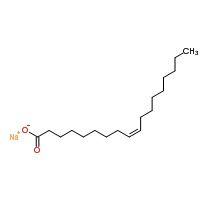
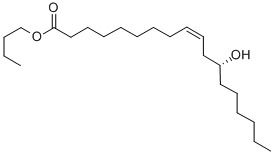
Castor Oil -Textile Chemical is the raw material for the production of a number of chemicals, notably sebacic acid, undecylenic acid, zinc undecylenate, undecylenic monoethanolamide, alcohol c11 undecylenic, methyl undecylenate, calcium undeylenate, calcium ricinoleate, calcium undecylenate,heptaldehyde, heptyl alcohol, undecanoic acid, zinc ricinoleate, cetyl ricinoleate, glyceryl mono ricinoleate, glyceryl mono undecylenate, heptyl undecylenate, methyl ricinoleate, pentaerythritol mono ricinoleate,polyricinoleic acid, ricinoleic acid, methyl acetyl ricinoleate, and nylon-11.
Hydrogenation and saponification of Castor Oil - Textile Chemical yields 12-hydroxystearic acid which is then reacted with lithium hydroxide or lithium carbonate to give high performance lubricant grease.
Superior Performance in Textile ProcessingCastor Oil Textile Chemical acts as a premium lubricant and softener for the textile sector. Its unique physical properties, such as moderate viscosity (250300 mPas) and high saponification value, enable effective use in finishing, sizing, and dyeing. The oil helps reduce friction, enhance fabric smoothness, and improve dye uptake, supporting various application techniques like direct addition or padding.
Safe Handling and Long Shelf LifeThis textile-grade castor oil is non-flammable and non-toxic under standard handling procedures. It should be stored in tightly sealed containers, shielded from direct sunlight and moisture, to maintain its quality for up to 24 months. For safe and efficient transfer in industrial settings, the product is available in 200 kg drums and bulk storage options.
FAQs of Castor Oil - Textile Chemical:
Q: How is Castor Oil Textile Chemical typically used in textile processes?
A: Castor Oil is added directly to textile processing baths or applied by padding and impregnation methods. It functions as a lubricant, finishing agent, sizing agent, and dyeing assistant, optimizing manufacturing efficiency and fabric quality.
Q: What are the main benefits of using castor oil in textile applications?
A: Its primary benefits include improved fabric lubrication, superior softness, and enhanced dye uptake. Being non-toxic and biodegradable makes it an environmentally responsible choice for textile processing.
Q: When should Castor Oil Textile Chemical be used during textile production?
A: It is utilized during several stagesnamely sizing, finishing, and dyeingdepending on the desired effect, such as reducing friction, increasing softness, or facilitating smooth dye penetration.
Q: Where should Castor Oil be stored to preserve its quality?
A: Store the oil in a cool, dry location away from direct sunlight and moisture. Always keep the container tightly sealed to prevent degradation and extend its shelf life to the full 24 months.
Q: What is the process for applying castor oil in textile finishing?
A: It can either be incorporated into process baths or applied directly onto fabrics by padding or impregnation, depending on the specific application needs of the production line.
Q: Is Castor Oil Textile Chemical safe for workers and the environment?
A: Yes, it is non-toxic and non-flammable under normal use, and it is biodegradablemaking it safe for operators and minimizing environmental impact during disposal or accidental release.








 Send Inquiry
 Send Inquiry
 Send SMS


